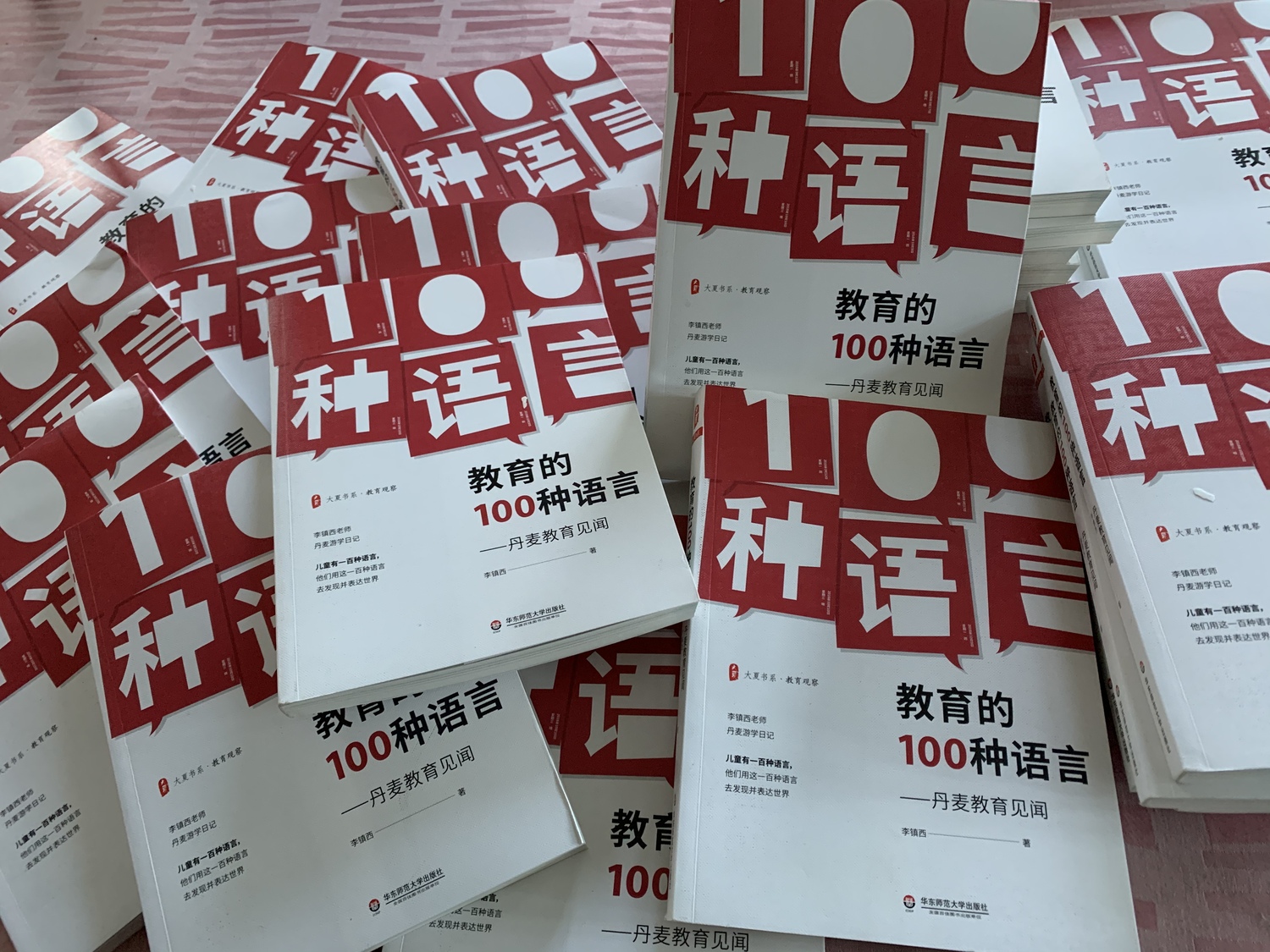
Revised Edition of Li Zhenxi’s Book: Education Has 100 Languages
Chinese educator and author Li Zhenxi has released a revised edition of his book Education Has 100 Languages, which explores Danish education and daily life. He originally wrote the book after his first visit to Funen in 2018. Following his most recent trip in May 2023, he has added new chapters. During this visit, he was joined by several prominent Chinese educators and school leaders for a tour of Danish schools and educational institutions.
Author of over 75 books, Li Zhenxi is a passionate advocate for a less test-driven and more wellbeing-focused Chinese education system. According to him, true happiness is achieved “when you win a child’s heart by being a good teacher.”
INTERVIEW WITH LI ZHENXI
by Lisa Johansen, translation from Chinese by Ann Guo Skov
THIS IS YOUR THIRD TIME IN DENMARK. WHAT BRINGS YOU BACK, AND WHAT DO YOU APPRECIATE ABOUT DENMARK?
“For me, Denmark is the country of three ‘goods’—good people, good education, and good nature. People are kind and easy to talk to, often quite relaxed, and there are no hidden agendas. In terms of education, I’ve noticed the deep respect shown to children and the freedom they are given. And the nature here is special—the air is fresh, and the landscape is beautiful. In China, we also have beautiful nature, but it’s mostly found in tourist areas. In Denmark, the whole country is scenic.”
WHAT ASPECTS OF DANISH EDUCATION DO YOU THINK CHINA COULD LEARN FROM?
“There are big differences between Denmark and China. Denmark has fewer than 6 million people; China has 1.4 billion. But in education, there are similarities, because we are all human—we all want to respect children, give them freedom, and nurture their imagination and creativity. Denmark has made great strides in this area.
Right now, China is working to reduce academic pressure on children, and that’s a step in the right direction, but it takes time. One thing I really admire about Denmark is the concept of the efterskole—a year for students to explore their interests and find their path. Chinese children are under immense pressure, and they would benefit from a ‘spiritual station’—a time and place to breathe and reflect on what they want from life, without others’ expectations.
A major challenge in China is the lack of options. Still, I’m optimistic—progress is being made, and access to education is improving. When I was young, only 4.7% of students passed the national college entrance exam. Last year, it was over 50%, and China ranks among the top countries in PISA tests. It’s a massive country, and problems can't be solved overnight, but we are working hard to improve conditions for our youth.”
WHAT COULD DANES LEARN FROM CHINESE EDUCATION?
“It’s hard to say, but I do feel that Danish education is sometimes too lenient. I’m not saying children should sit stiffly at their desks, but sitting upright shows a certain respect for the teacher. I also noticed that teachers and students don’t greet each other at the beginning of class. In China, every lesson starts with mutual greetings. That kind of respect matters, regardless of culture.
I see Danish and Chinese education as two extremes. One is too strict, the other too relaxed. Chinese students face too much pressure, while Danish students face less and have more choices. But I wonder—without some pressure, do you lose motivation? Denmark ranks high on happiness indexes, yet I hear that many young people struggle with depression. Could there be a connection? I’m not sure. But I believe the ideal lies somewhere in between the Chinese and Danish approaches.”